
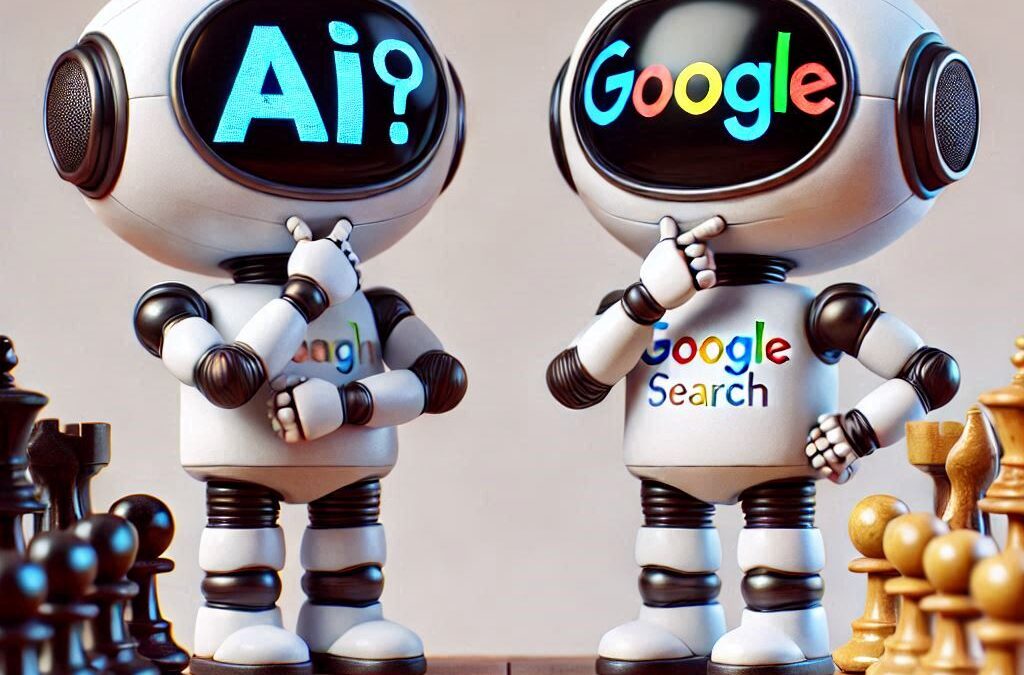
For years, business visibility followed fairly predictable rules.
If you wanted to be found, you focused on:
-
Google rankings
-
social media presence
-
online reviews
-
booking platforms and directories
But something fundamental has changed.
People are no longer just searching.
They’re asking AI.
“Where should I go for a quiet coastal break?”
“What’s a good independent café near me?”
“Can you recommend a trusted local business?”
And here’s the uncomfortable truth:
If AI doesn’t know how to describe your business, you may as well be invisible.
From Search Engines to Sense-Making
Traditional search engines returned lists.
AI does something different.
It interprets intent.
Instead of keywords, people now use:
-
vague goals
-
emotional language
-
lifestyle preferences
AI doesn’t just match words — it makes sense of what someone is really asking.
That means visibility is no longer just about:
-
keywords
-
ads
-
algorithms
It’s about whether your business:
-
fits a story
-
aligns with intent
-
can be explained clearly and confidently
AI has become the gatekeeper of visibility.
Why This Matters for Small & Independent Businesses
Large brands already have:
-
huge data footprints
-
consistent descriptions everywhere
-
thousands of mentions across the web
Smaller businesses often don’t.
Many rely on:
-
word of mouth
-
repeat customers
-
one good website page written years ago
That used to be enough.
Now, if your website doesn’t clearly explain:
-
who you’re for
-
what problem you solve
-
how you’re different
-
what experience you offer
AI struggles to “place” you.
And if AI can’t place you, it won’t suggest you.
AI Isn’t Choosing for Customers — But It Is Shaping What They See
This is important.
AI isn’t replacing human decision-making.
People still choose.
But AI shapes the shortlist.
It influences:
-
which businesses come to mind
-
which destinations feel “right”
-
which options feel trustworthy
That’s a powerful position.
AI isn’t the decision-maker —
it’s the gatekeeper to consideration.
The New Visibility Question Every Business Should Ask
Not:
“Do I rank on Google?”
But:
“Could AI confidently describe my business to the right customer?”
If someone asked:
-
“I want a calm, trustworthy, independent business that values quality”
Would AI know to include you?
Or would it default to:
-
bigger brands
-
louder competitors
-
better-structured websites
How to Become AI-Visible (Without Chasing Tech Trends)
This isn’t about stuffing your site with “AI keywords”.
It’s about clarity.
Start with:
-
clear, human language
-
simple explanations of what you do
-
answers to real customer questions
-
consistency across your website, Google profile, and reviews
AI learns from:
-
how you describe yourself
-
how customers describe you
-
how easy it is to understand your offer
If a human would “get it” quickly — AI probably will too.
Why This Matters Now (Not in Five Years)
AI-driven discovery is already happening.
Early adopters won’t just:
-
get more visibility
-
they’ll define how their category is described
Late adopters will find themselves asking:
“Why aren’t we being recommended anymore?”
By then, the gate may already be closed.
Final Thought
AI doesn’t reward the loudest business.
It rewards the clearest one.
Visibility is no longer just about being online.
It’s about being understandable.
And in this new landscape, AI isn’t just a tool.
It’s the gatekeeper.
Want help making your business AI-visible?
At Sea Glass Marketing, I help small and independent businesses translate what they really offer into language both humans and AI can understand — without losing personality or authenticity.
Because being found shouldn’t mean becoming generic.